About WhichDecade
WhichDecade is a gaming-nostalgia archive. We use games, consoles and arcade machines as time markers: not to test your birth year, but to find the era your memories belong to.
Why we built it
Most age quizzes ask personal questions. We wanted something better: a game about the machines and games that shaped a childhood — arcade cabinets, handhelds, first consoles and online worlds — with enough decade-specific detail to be interesting and enough play to be shared at a dinner table.
How we work
Everything is static. Questions, results, illustrations and the game archive live in local files, and every game runs in your browser. There is no login, no database and no server-side scoring — your answers never leave your device.
Independence and credits
WhichDecade is not affiliated with any game publisher, platform owner or quiz trend brand. Product names are used descriptively, and illustration authors and licences are recorded in our source data files so every image can be traced.
Get in touch
Spotted a wrong release year, a mislabelled illustration or a game we should add? Email contact@whichdecade.com — corrections and ideas from players shape every part of the archive, and verified fixes usually ship within a week.
GOING DEEPER
Who builds WhichDecade
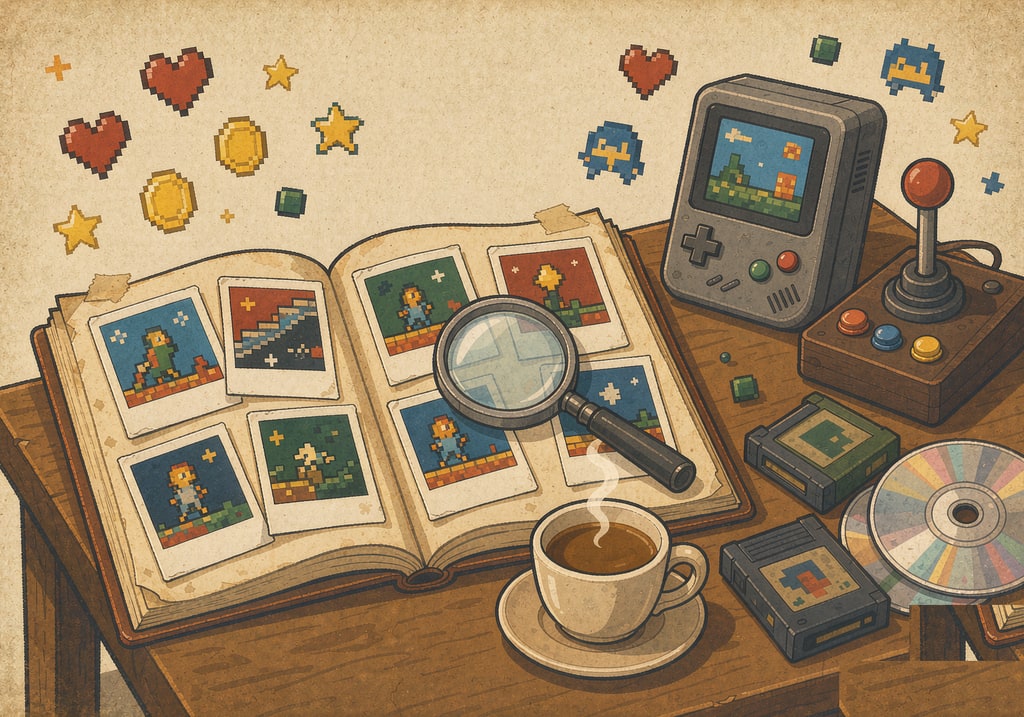
WhichDecade is an independent, single-developer project: one site, one archive, no network of content pages behind it. The games, decades and library entries are researched and written by hand, the pixel illustrations are original work made for this site, and the quizzes run entirely in your browser. That scope is deliberate — the site is meant to stay small enough that every page can be kept accurate.
There is no account system and no data collection: quiz results, streaks and scores live in your browser's local storage, and nothing you do here is uploaded. When you share a result, you are sharing text or a card that you generated, from your device.
Editorial standards and sources
Archive entries stick to verifiable facts: release windows, platforms, credited creators where records exist, and the documented reception that made a title significant. Where sources disagree on dates or details, the entry says so rather than picking one silently. Historical screenshots and trailers are not used; imagery is original pixel art that evokes each era, and embedded videos, where present, link back to their official sources.
Corrections are welcome and fast to make — the contact page reaches the developer directly. The site's roadmap is driven by the same principle as the archive: add depth where a game, a device or a decade genuinely needs it, and skip filler.
The design rules behind the site
Three rules keep the archive coherent. First, original art: every illustration is drawn for this site, so no page depends on scraped screenshots or disputed assets. Second, verifiable facts: dates, platforms and reception are checked, and disagreements between sources are stated rather than hidden. Third, local-first play: the quizzes and challenges run entirely in the browser, because a nostalgia site has no business collecting personal data.
Those rules also decide what the site refuses to add. There are no affiliate links, no fake urgency, and no filler pages — if a page exists here, it exists because a game, a device or a decade genuinely needed the reference.
What is next for the archive
The roadmap follows the same depth-first principle: more device pages in the nostalgia library, more era context on the decade pages, and new quiz formats that reuse the same local-first engine. Nothing on the list requires an account or a server, because the constraint is the point — a nostalgia archive should stay as simple as the memories it documents.