
Arcade
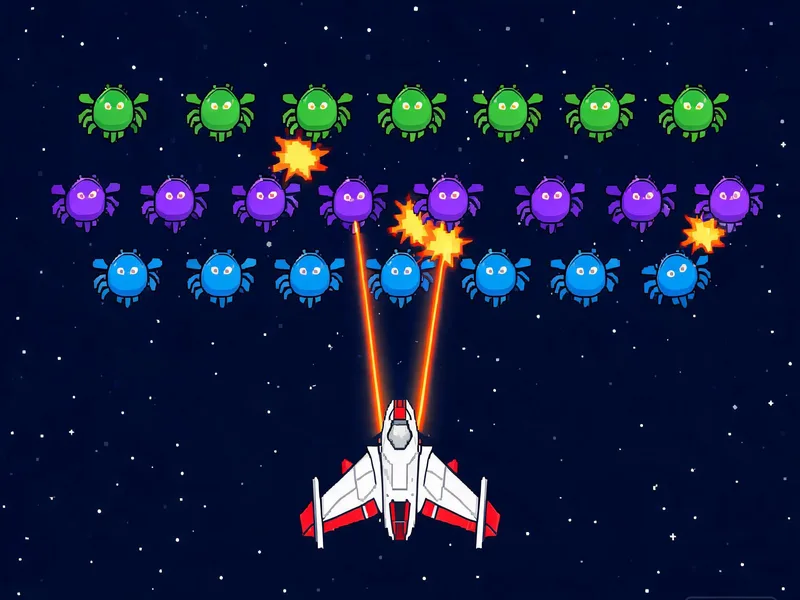
A pocket of coins, a row of cabinets and three initials on the high-score table. The best player drew a crowd, and new games spread by word of mouth long before reviews.
The games that defined a generation · 10 titles
Coins, cartridges and eight-bit pixels: the decade that turned playing into a shared language. Arcade halls taught the world the high-score table, and home consoles brought that first generation of play into the living room.
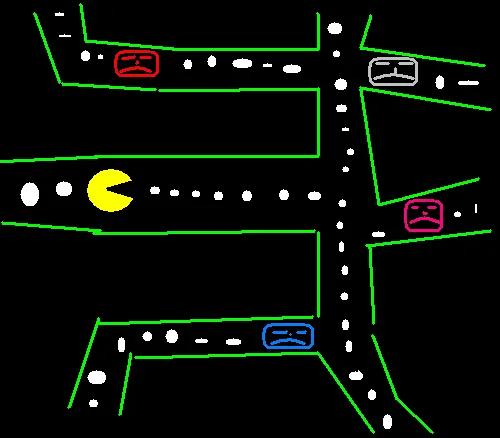

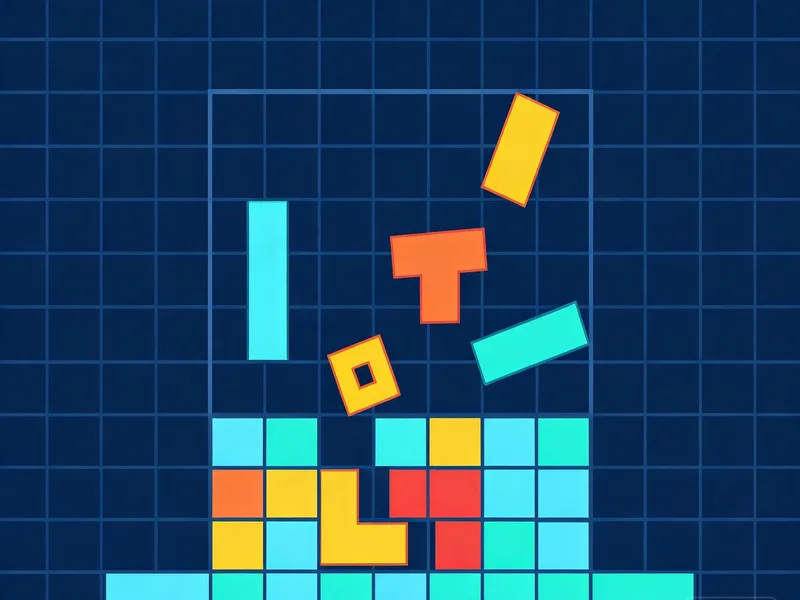
Maze chases, jumping plumbers and falling blocks defined a decade of short, learn-in-seconds, master-for-years design. These are the titles that moved from cabinet to cartridge and into family memory.
Play was physical and social. You travelled to the game, queued behind the best player, or sat a short distance from a television with a cartridge in your hand.
A pocket of coins, a row of cabinets and three initials on the high-score table. The best player drew a crowd, and new games spread by word of mouth long before reviews.
Swappable cartridges turned a console into a household fixture. Atari's 2600 family and, after the 1983 crash, Nintendo's Famicom and NES rebuilt the market around a small library of carefully chosen games.
Commodore 64, ZX Spectrum, Apple II and Japan's PC-88 and MSX machines made the desk a second play space. Loading from cassette or floppy was part of the ritual.
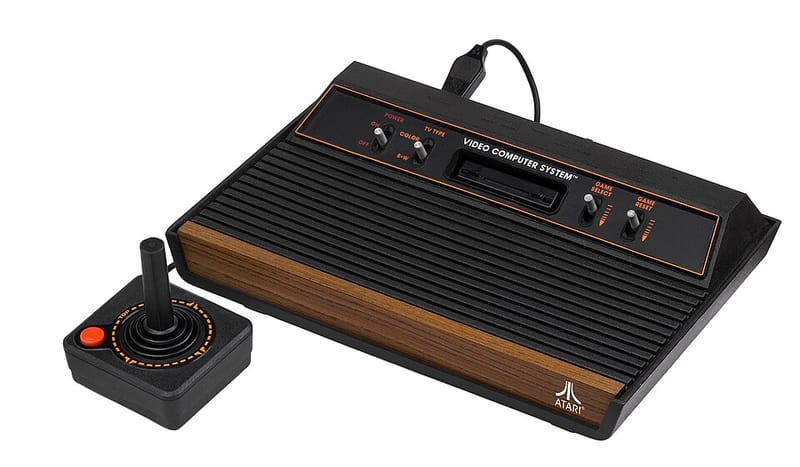
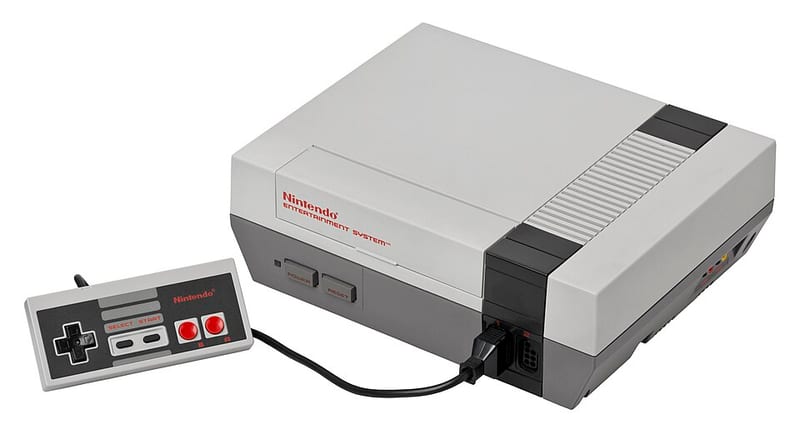
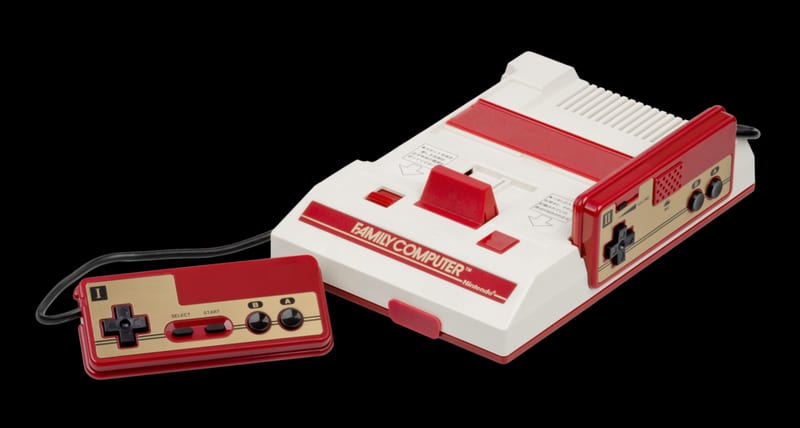
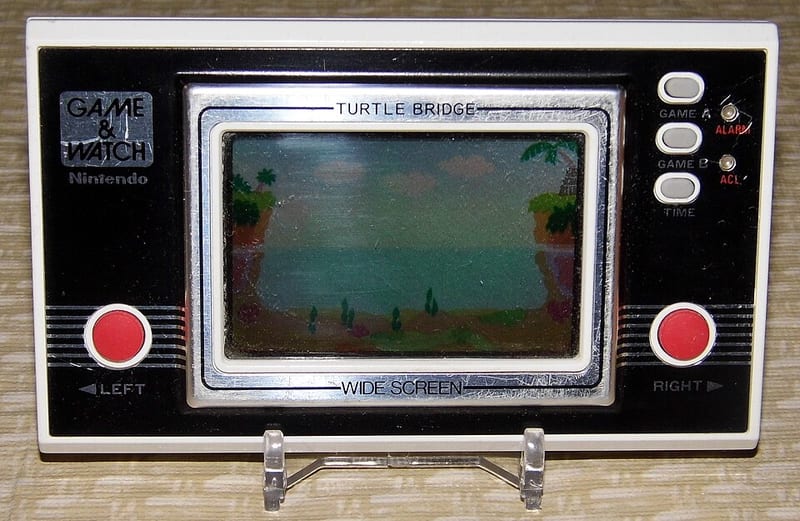
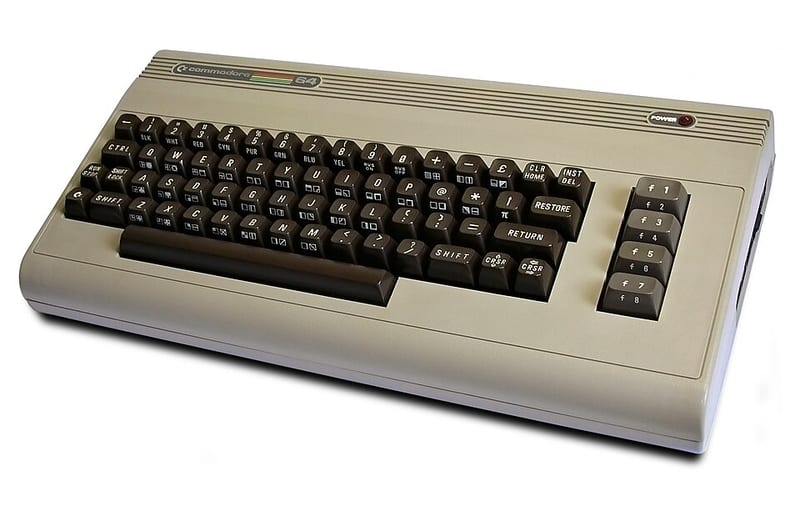
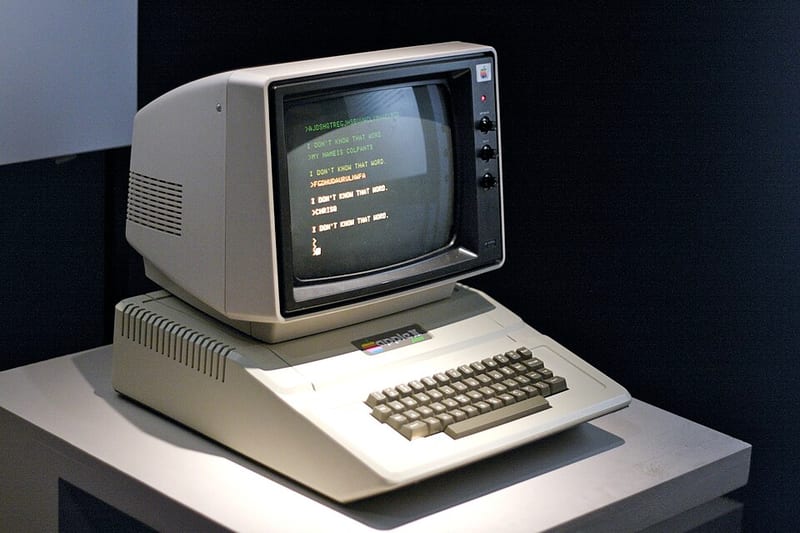
The details are small, but they are the ones people remember first.
A stubborn game, a quick breath into the connector and a hopeful press of the reset button — a ritual rather than a repair tip.
A cassette player humming, a screen of striped colour, and the minutes before a game finally began.
Siblings taking turns on the same controller, with the loser already planning the next round.
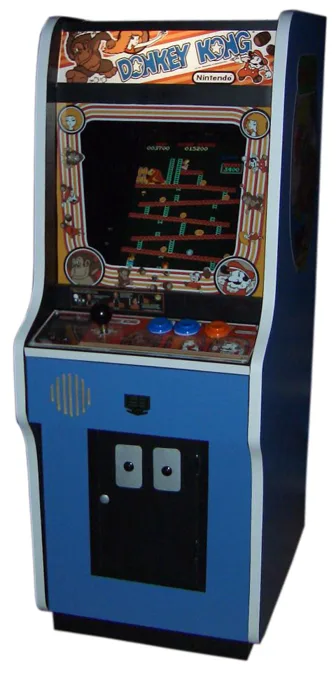
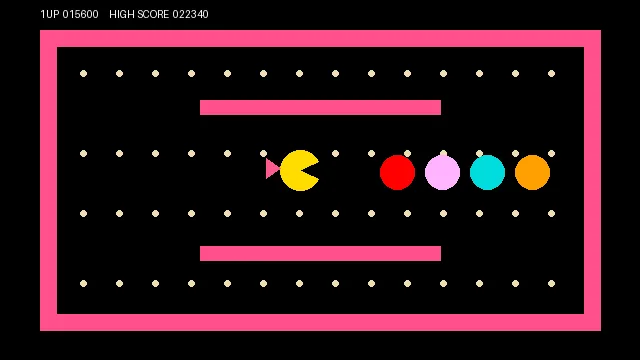
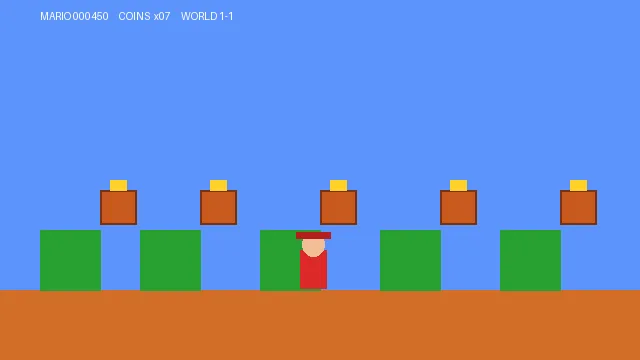
Pac-Man (arcade, 1980), Super Mario Bros. (NES, 1985) and Tetris (created in the Soviet Union in the mid-1980s) are the era's most cited titles, alongside home conversions of arcade hits like Space Invaders.
The Atari 2600 dominated the early part of the decade; after the 1983 crash, Nintendo's Famicom (Japan, 1983) and NES (North America and Europe, mid-1980s) rebuilt the market.
The Commodore 64 (1982), ZX Spectrum (UK, 1982), Apple II (from 1977), NEC's PC-88 (Japan, 1981), MSX machines (from 1983) and the Amiga (1985).
The series began in 1980 and ran through the decade; it was Nintendo's first handheld success and the direct design ancestor of the Game Boy.
GOING DEEPER
The fastest way into this decade is to split its games by where you met them. Cabinet games — score chases, maze chases, fixed-shooter waves — were public entertainment, played standing up in arcades, shops and pizza places with a stack of coins. Home games were smaller in scale but private: an 8-bit machine in the living room that finally let you keep the high-score table in the family.
When you browse the entries below, that split explains most of what you see. Arcade landmarks chase points and short-loop intensity because a cabinet must earn its next coin; home hits chase breadth because a cartridge had to justify its price. Both logics shaped the vocabulary every later decade inherited.