
16-bit consoles
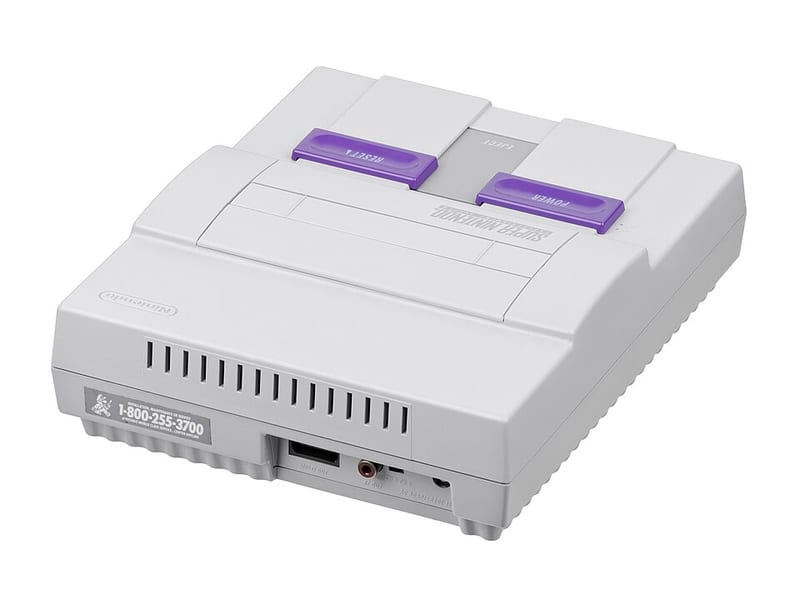
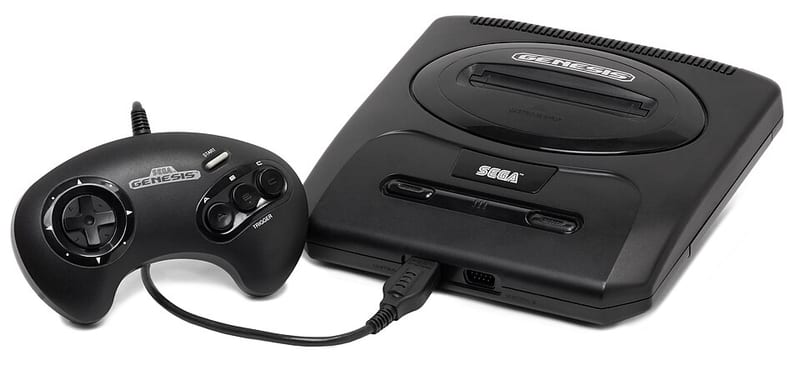
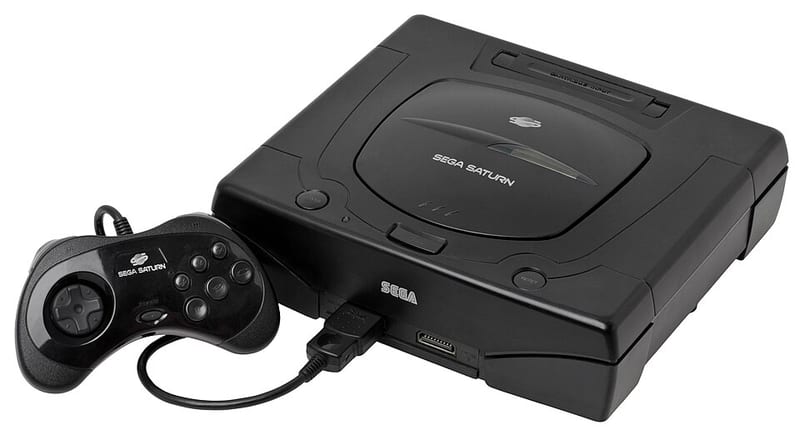
Sega's Mega Drive and Nintendo's Super Famicom / SNES turned schoolyard loyalty into a badge of honour. Four-player party games made the console a sofa event.
The games that defined a generation · 15 titles
Consoles became identities, handhelds went everywhere and polygons replaced sprites. The 1990s turned a childhood argument about hardware into a generation's shared reference point.
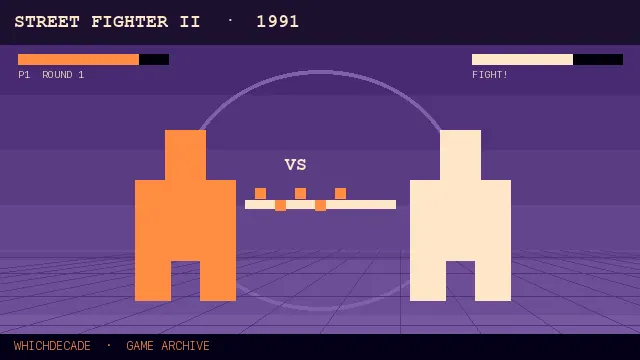
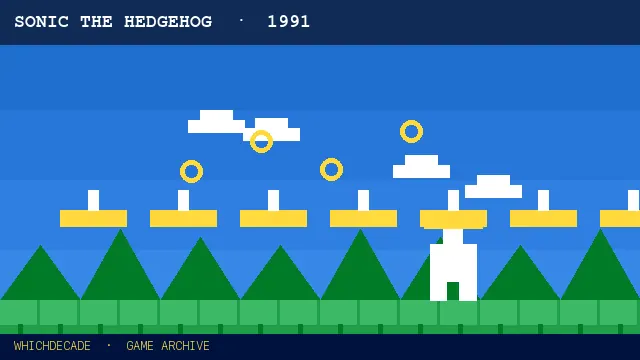
Side-scrolling mascots, digitised fighters, CD-ROM adventures and pocket-sized monsters. The decade's biggest games arrived on cartridges, discs and handhelds at the same time.
The living-room TV and the family desk became parallel play spaces, with a link cable or a dial-up connection linking friends.
Sega's Mega Drive and Nintendo's Super Famicom / SNES turned schoolyard loyalty into a badge of honour. Four-player party games made the console a sofa event.
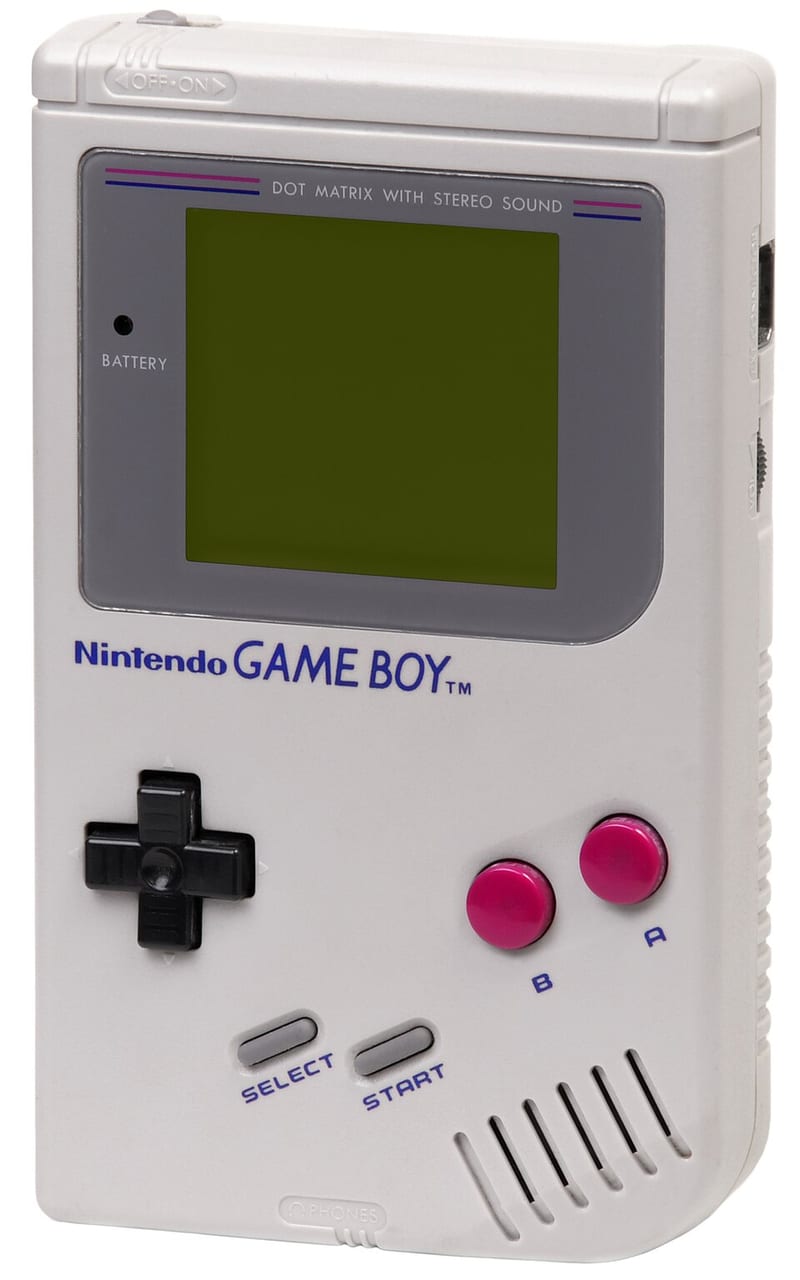
The Game Boy made play portable enough for car journeys and playgrounds. Tetris came bundled, link cables connected friends, and Pokémon later gave the hardware a second life.
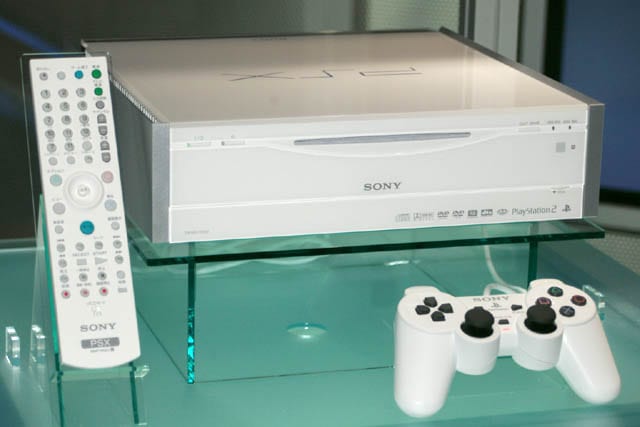
The PlayStation brought discs and 3D worlds into the lounge, while Windows 95, shareware discs and dial-up modems built a separate PC gaming culture.
Ask anyone who grew up then and the same scenes tend to come back.
A ritual before the game even started, repeated with total confidence that it would help.
An hour online meant the landline was busy and nobody else could call.
Two handhelds, one short cable, and a trade that had to happen before the bell rang.
The 16-bit rivalry between the Sega Mega Drive/Genesis and Super Nintendo, the Game Boy's handheld breakthrough, and the 1994 shift to CD-ROM consoles led by the PlayStation.
They are the same hardware. It launched in Japan as the Mega Drive in 1988 and was marketed in North America from 1989 as the Genesis.
Released on 24 August 1995, it made the home PC the centre of household computing and, with dial-up internet, moved a lot of play from the TV to the desk.
The first games were released in Japan in 1996 for the Game Boy, near the end of the decade.
GOING DEEPER
The 1990s list reads as one long argument about how games should make the jump from sprites to 3D — and who gets to win the hardware war while doing it. The early entries are 16-bit peak-era titles where sprite art reached its ceiling; the middle entries are the cartridge-versus-disc generation; the late entries are the 3D grammar that modern games still speak.
Keep that arc in mind as you browse, because individual titles make more sense as positions in the argument than as isolated hits. The mascot platformers were console-war weapons; the fighting games were arcade-to-home bridges; the disc-era RPGs bet everything on storage size and cinematic ambition.