Who counts as Gen Z
Born between 1997 and 2012, following Millennials and preceding Gen Alpha. The oldest are now approaching 30; the youngest are in secondary school. In 2026 they span roughly ages 14–29.
Gen Z covers birth years 1997–2012 — ages 14 to 29 in 2026, the first generation raised on smartphones and broadband. The one that turned games into places to hang out.
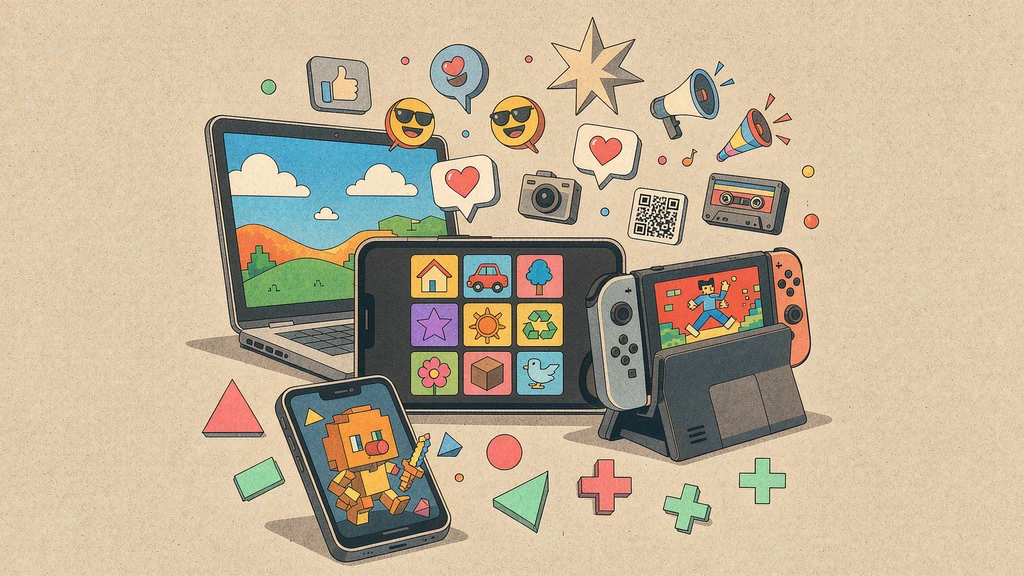
Born between 1997 and 2012, following Millennials and preceding Gen Alpha. The oldest are now approaching 30; the youngest are in secondary school. In 2026 they span roughly ages 14–29.
Mobile-first habits, constant connectivity, pragmatic money and work attitudes, and communities built around interests rather than platforms. Screens replaced the schedule: play happens whenever a device is in hand.
Minecraft and Fortnite are less like games and more like venues — players build, perform, watch and meet inside them. Roblox let kids make their own games; streaming turned playing into watching.
Minecraft, Fortnite, Roblox, Splatoon ink battles and Pokémon GO mix playing with creating, watching and socialising — often all at once.
Your first night, a wooden pickaxe, and a dirt shelter you were sure would keep the zombies out.
Open the archive →
Walking towards a mountain because you saw something glinting, then losing four hours to the journey.
Open the archive →
Switching between three characters mid-mission like you were directing your own heist movie.
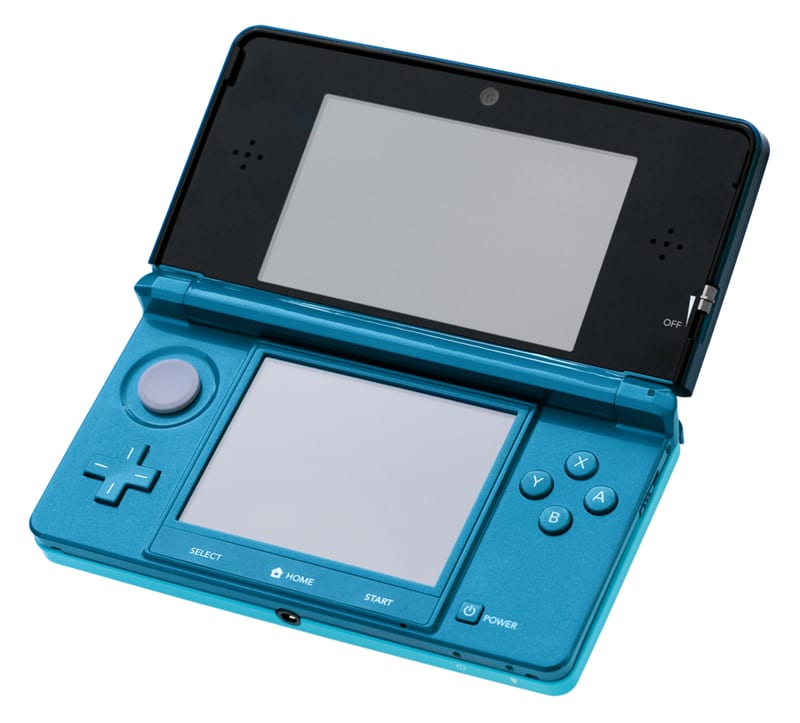
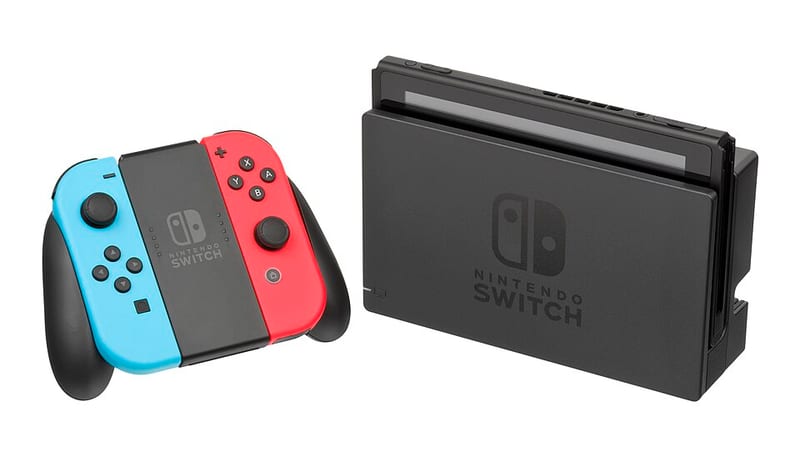
Open the archive →From the Nintendo Switch and gaming phones to the Steam Deck and the family PS5 — the machines Gen Z plays on, wherever that is.
GOING DEEPER
Gen Z is the generation born between 1997 and 2012 — aged roughly 14 to 29 in 2026. They follow the Millennials and precede Gen Alpha, and they are the first cohort who never knew a world without smartphones, broadband at home and an app store in every pocket.
As adults they are now finishing school, entering the workforce and raising families, which is why the generation keeps appearing in workplace and marketing research rather than only in teen culture pieces.
Commonly cited Gen Z traits: mobile-first habits, comfort with constant connectivity, pragmatism about money and work, and a preference for communities built around interests over single platforms. In gaming specifically, they treat games as places — spaces to build, watch, perform and hang out, not just products to finish.
The archive side of this page shows the hardware that made that possible: cross-platform consoles, handhelds that doubled as daily devices, and phones powerful enough to run the same worlds as a TV.
Almost every Gen Z gaming habit has a grandparent title in this archive. The battle-royale format descends from 2000s PC mods; mobile puzzle hits borrow from 1980s falling-block design; cross-platform play fulfils the promise the 1990s console wars never could.
Following those links is the useful part: the Gen Z page doubles as a bridge into the decades whose ideas their games rebuilt.